
Cultured Marble vs Tile Shower Walls: Which Is Better for Your Renovation Project?
A Side-by-Side Breakdown for Homeowners & Commercial Project Managers
When planning a bathroom renovation, one of the most common decisions is choosing between cultured marble vs tile shower walls. Both materials have their proponents, but understanding the key differences in maintenance, durability, cost, and installation is critical to making the right choice for your home or commercial project.
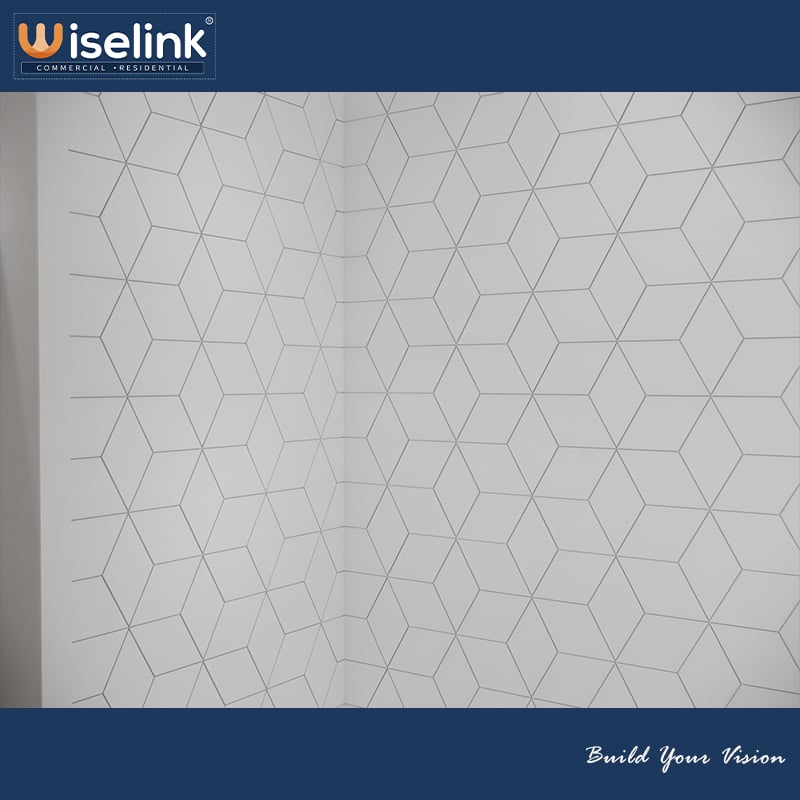
Tile shower walls have been the traditional choice for decades, and they offer a wide range of color and style options. However, they come with significant drawbacks: porous grout lines that trap mold and mildew, intensive cleaning and maintenance, and a high risk of water damage if grout degrades over time. Installation is also time-consuming, taking several days to complete, and requires a skilled tile installer to avoid leaks or uneven placement.
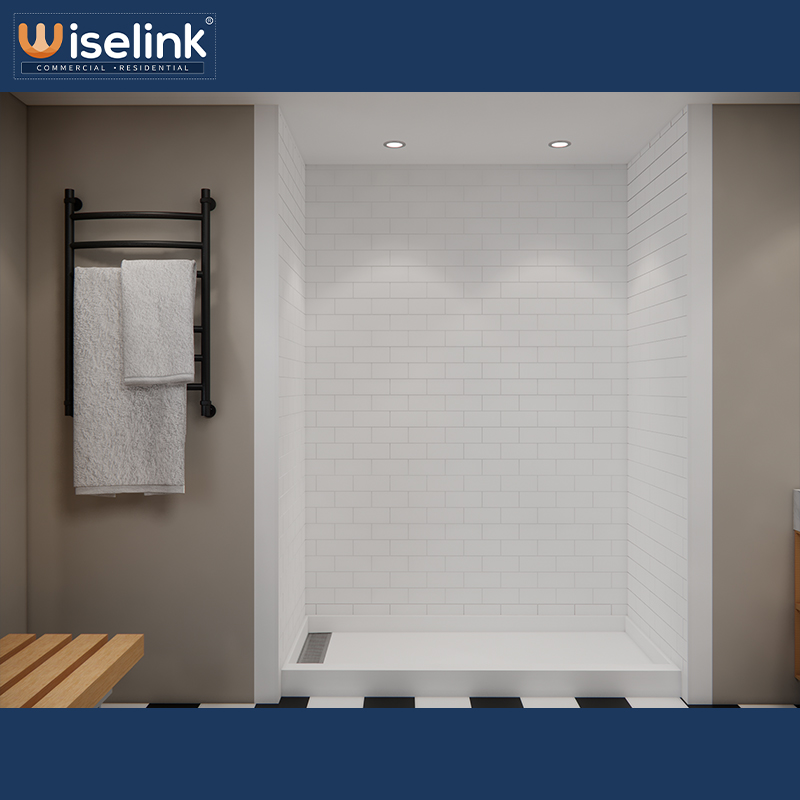
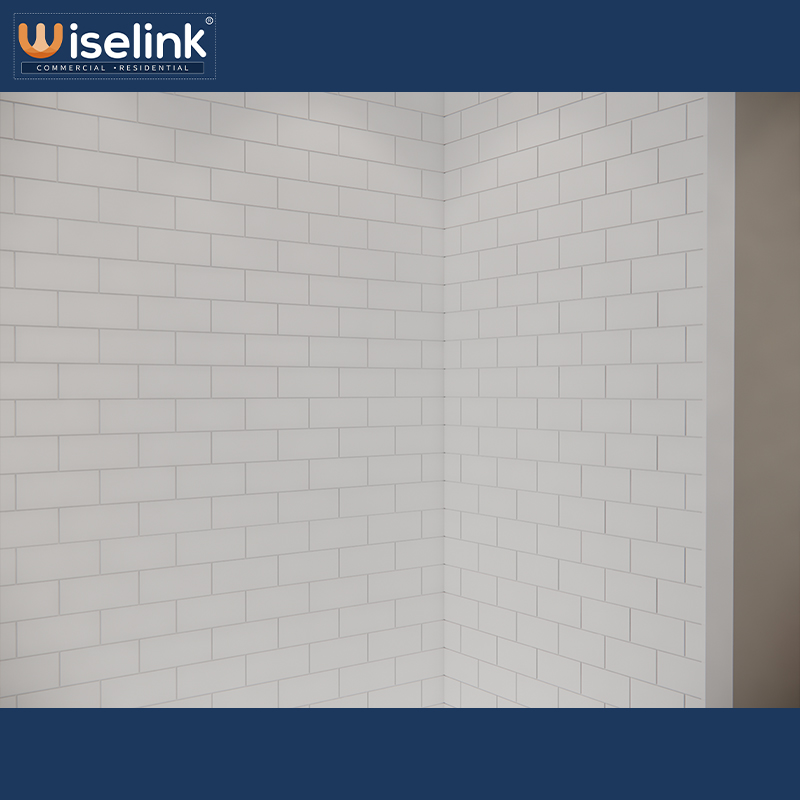
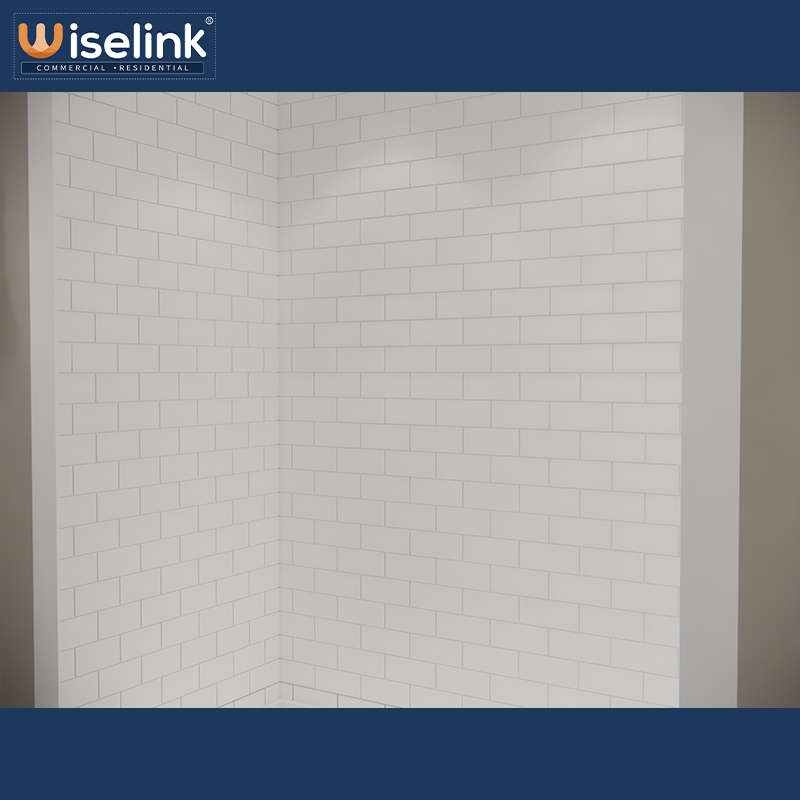
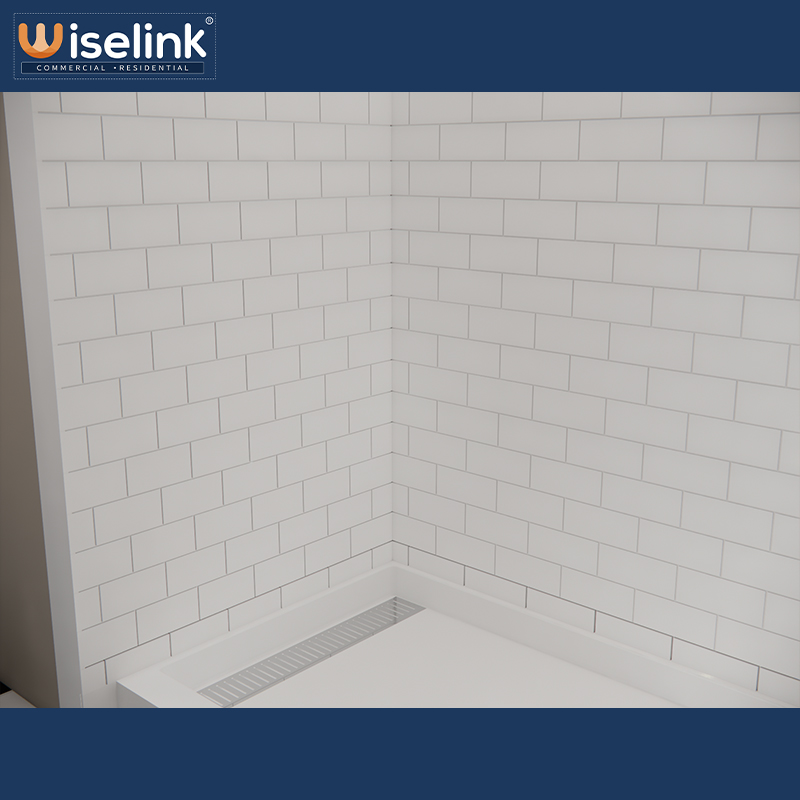
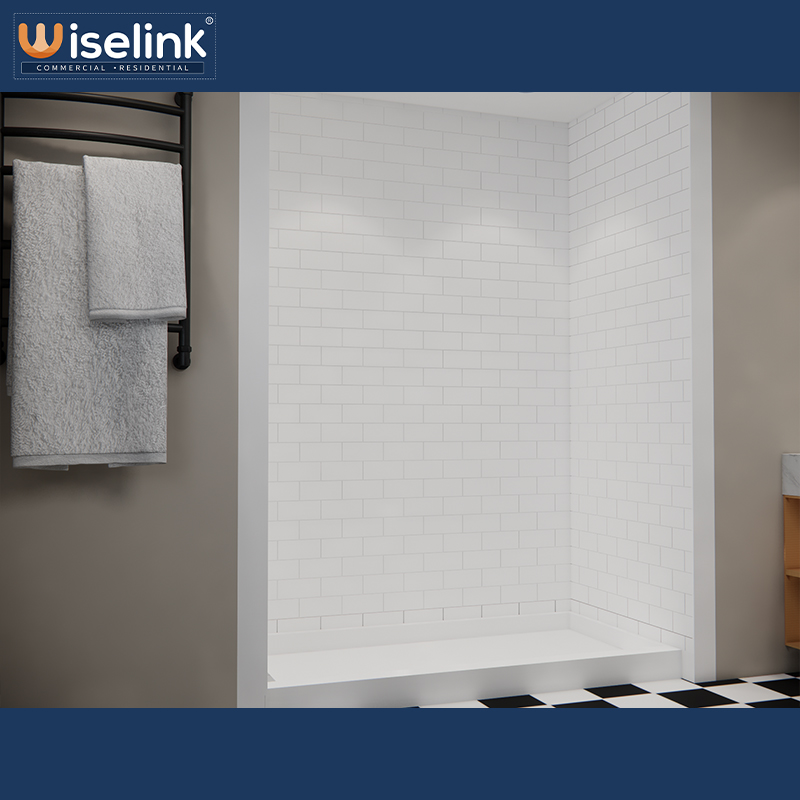
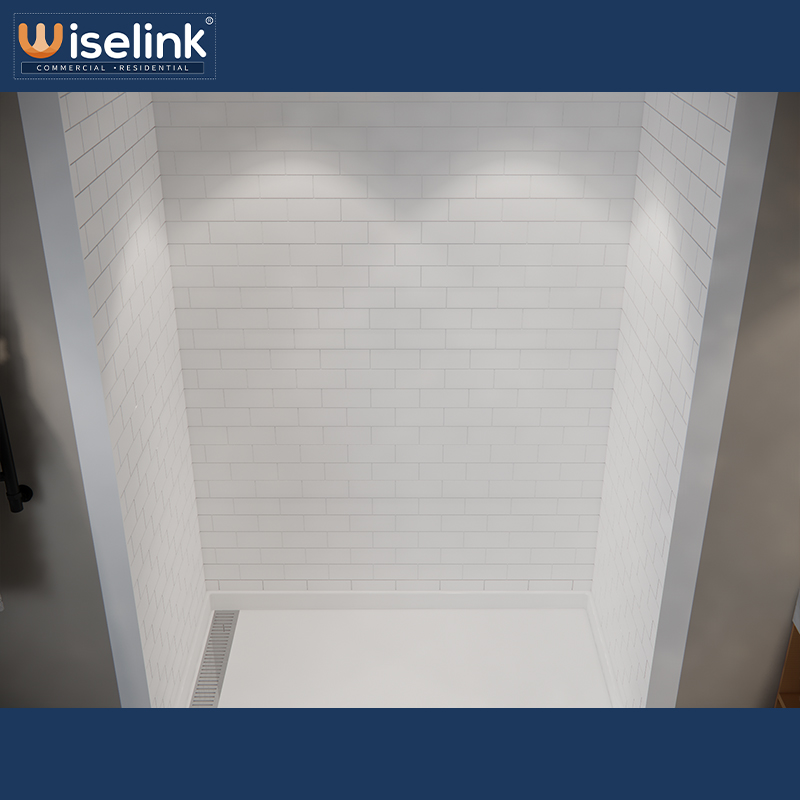
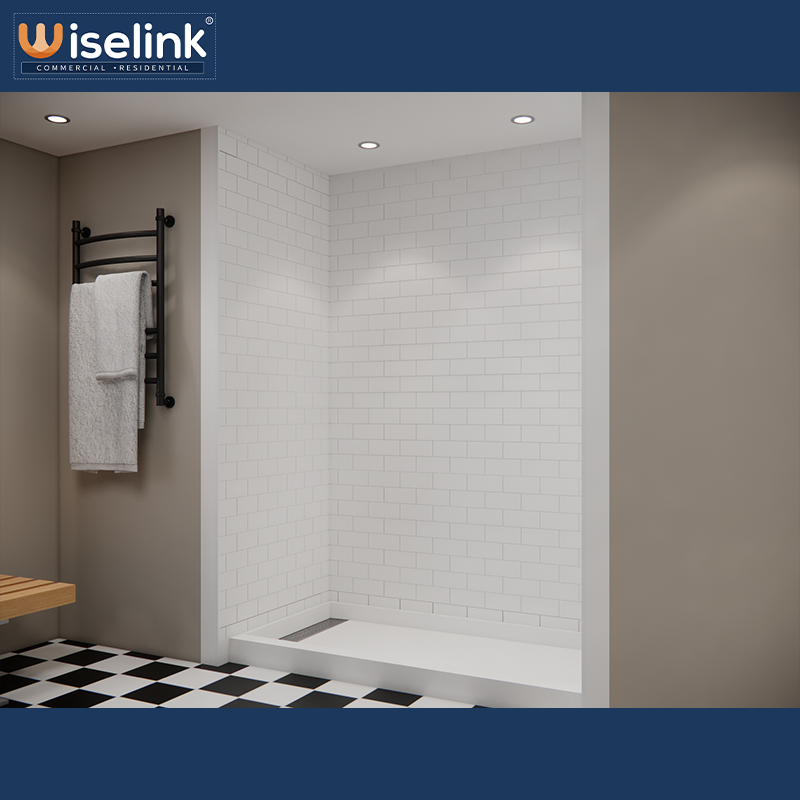
Cultured marble shower walls, by contrast, eliminate nearly all of these pain points. Wiselink cultured marble shower wall panels are installed in large, seamless sheets, with no grout lines to clean or maintain. The non-porous material is 100% waterproof, preventing mold growth and water damage entirely. Installation is fast, often completed in a single day, which is a huge benefit for hotel and apartment renovations where downtime equals lost revenue.
While tile may have a lower upfront material cost, the long-term maintenance and repair costs of tile are far higher. Cultured marble shower walls last 20+ years with minimal upkeep, while tile requires regular re-grouting and sealing, and often needs full replacement within 15 years. For homeowners and commercial project managers looking for a low-maintenance, long-lasting solution, Wiselink cultured marble shower walls are the clear winner over tile.