
A hotel front desk manager receives a call from an unhappy guest on the third floor. Water is pooling around the base of the shower, and a damp, musty smell has started to creep into the bedroom carpet. By the time maintenance arrives, the damage has already extended beyond the bathroom. That room is now out of inventory, a revenue loss that compounds with every night it sits empty waiting for a plumber and a tile setter. This scenario replays itself in hospitality properties more often than anyone likes to admit, and the root cause is almost never the plumbing pipes hidden in the wall. The failure point is the shower pan itself, a cracked tile bed, a separated drain flange, or a slope so poorly executed that water sits stagnant for hours after the guest checks out. In a renovation project, choosing the right shower pan is not about picking a color that matches the vanity. It is about selecting a watertight, properly sloped, and durable foundation that protects the building structure from moisture intrusion and keeps that room generating revenue instead of generating maintenance work orders.
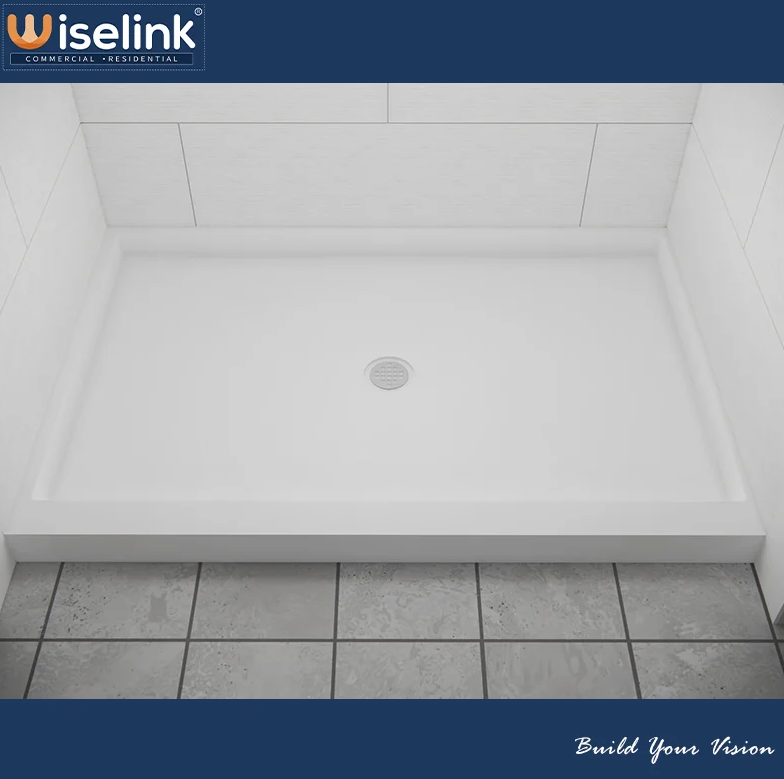
The fundamental technical decision in shower pan selection comes down to how the slope is created. A traditional site built mortar bed relies entirely on the skill of the tile setter mixing sand and cement by hand, troweling it into a consistent quarter inch per foot incline toward the drain. When it is done perfectly, it works. When the installer is rushed on a tight renovation schedule or the mix ratio is slightly off, the result is a subtle depression that holds a shallow puddle of soapy water permanently. That standing water becomes a breeding ground for biofilm and slowly eats through the grout sealer. A factory manufactured solid surface or acrylic shower pan eliminates this human variable. The slope is engineered into a precision mold and cured under controlled conditions. Every drop of water that hits the pan surface follows a pre calculated path to the drain. For a hotel renovating dozens or hundreds of bathrooms, replacing an inconsistent manual process with a repeatable, pre pitched product eliminates the single most common cause of shower failure. It also accelerates the renovation schedule because there is no wet mortar curing time delaying the next trade from coming in.
Housekeeping teams in high occupancy hotels operate on punishingly tight schedules. A bathroom must be cleaned, sanitized, and inspected in a matter of minutes. Traditional tile shower floors fight against this efficiency. Grout is naturally porous, even when sealed, and it absorbs soap residue, body oils, and the aggressive alkaline cleaning chemicals used to sanitize the room. Over time, that grout darkens, develops pin holes, and eventually allows water to wick through to the substrate. Removing and replacing grout in a hotel bathroom is a noisy, dusty process that cannot happen while guests are occupying adjacent rooms. A solid surface shower pan addresses this problem by removing grout from the equation entirely. These pans can be thermoformed with integral curbs and coved corners that continue up the wall, creating a seamless transition from the standing surface to the vertical splash zone. The same non porous, homogeneous material that makes the pan waterproof also resists the chemical attack of cleaning products. For a hotel operator, a grout free shower floor means faster wipe downs, fewer black mold complaints on review sites, and longer intervals between deep clean renovations.
Hospitality renovations in most regulated markets must comply with accessibility standards that dictate very specific dimensional and safety requirements. A shower pan designed for an accessible room must often present a low or zero threshold entry, a specific interior turning radius, and a slip resistant standing surface that meets a recognized dynamic coefficient of friction standard. Achieving all of this with site built tile is technically possible but difficult to certify consistently across multiple rooms. A manufactured solid surface pan can be molded with integrated transfer benches, recessed grab bar channels, and textured floor patterns that meet code while looking like a cohesive design feature rather than a clinical medical device. The best modern shower pans manage to feel luxurious underfoot while still providing the wet slip resistance that a hotel's insurance carrier and legal team expect. This compliance is not just a bureaucratic box to check. It directly protects the property owner from liability and opens up the property to a wider demographic of travelers who filter their booking searches by accessibility features.
No single material dominates the shower pan market because each option represents a different compromise between cost, durability, and aesthetics. Fiberglass pans are the least expensive and the lightest, but they flex underfoot, the gel coat yellows with repeated chemical exposure, and a cracked fiberglass pan usually cannot be repaired without visible patch work. Acrylic pans offer better colorfastness and gloss retention, but they rely on a supportive underlayment that, if prepared poorly, allows the pan to flex and eventually crack at the drain opening. Cultured marble, a blend of crushed stone and polyester resin, provides a heavy, premium feel but is brittle under impact. A dropped shampoo bottle from a high shelf can chip the surface, and that chip is difficult to match and patch invisibly. Solid surface pans, composed of acrylic or polyester resins with mineral fillers, occupy a professional grade middle ground. They are warm to the touch compared to natural stone, completely repairable if scratched or gouged, and available in custom sizes that fit older or non standard hotel bathroom footprints without requiring costly subfloor reconstruction. The honest recommendation depends on the property's star rating, the volume of daily guests, and the planned renovation cycle.
For a hotel group managing multiple properties or a phased floor by floor renovation, consistency is a financial asset. When a general manager can tell the maintenance team that every shower pan in the building has the same dimensions, the same drain location, and the same finish, spare parts inventory shrinks, housekeeping training simplifies, and the guest experience becomes predictable across every room category. That level of consistency only comes from a manufacturer that treats hotel supply as a disciplined engineering process rather than a series of one off custom projects. Wiselink approaches solid surface shower pan production with this supply chain mentality, ensuring that color batches match, dimensions hold true to the submittal drawings, and delivery schedules align with the phased construction timeline. When a renovation project wraps up and the hotel reopens, the shower pans installed on the first floor and the top floor are indistinguishable in performance and appearance, which is exactly the kind of reliability that builds a brand reputation whether the guest is a business traveler staying for one night or a family on vacation for a week.
Copyright © Guangdong Wiselink Ltd. -- Privacy Policy
 EN
EN