
Hospitality contractors rarely have the luxury of choosing materials in isolation. A shower wall that looks great in a showroom might fail quickly when three hundred guests cycle through a room every month. The real requirements go beyond aesthetics. Surfaces need to handle constant exposure to soap residue, hard water, cleaning chemicals, and occasional impact from luggage or mobility aids. Durability matters more than first impressions, and replacement cycles in hotels are measured in years, not decades. According to the National Association of Home Builders, commercial-grade bathroom surfaces typically last half as long as residential ones under equivalent visual wear due to higher usage frequency. That means a material rated for residential kitchens might not survive even one full season in a busy resort.
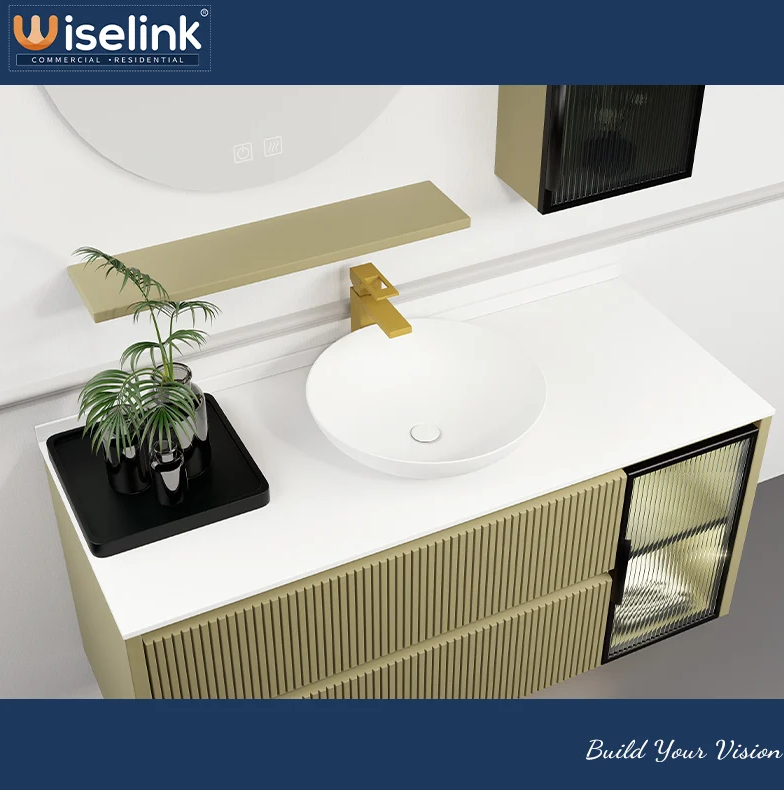
Four common choices dominate the hospitality sector: engineered quartz, solid surface, porcelain slab, and ceramic tile. Each has a distinct failure mode. Engineered quartz resists staining and scratching well but can chip at exposed corners if the substrate shifts. Solid surface allows near-invisible repairs and seamless integration but scratches more easily and needs periodic buffing. Porcelain slab offers excellent moisture resistance and modern large-format looks, yet cutting precise drain slopes on site often proves difficult. Ceramic tile remains the budget default, though grout lines inevitably collect mold in high-humidity bathrooms if maintenance crews skip daily squeegee routines.
| Material | Installed Cost per Sq Ft | Stain Resistance | Repair Difficulty | Typical Failure Point |
|---|---|---|---|---|
| Engineered Quartz | $70 to $120 | Very high | Moderate | Corner chipping |
| Solid Surface | $45 to $80 | High | Low | Surface scratching |
| Porcelain Slab | $55 to $95 | Very high | High | On-site fabrication errors |
| Ceramic Tile | $25 to $60 | Moderate | Low | Grout staining and mold |
A common mistake among first-time hospitality contractors is underestimating how much water a shower enclosure actually traps. In a 2023 renovation of a 140-room beachfront property in Charleston, South Carolina, the original fiberglass shower surrounds looked intact from the outside. Once removed, however, the backing board behind the bottom corners had absorbed enough moisture to soften the framing. The replacement spec called for a waterproof foam backer behind large-format porcelain slabs, plus a continuous silicone joint at the slab-to-pan transition. That detail alone prevented repeated callbacks during the first summer season. The lesson is simple: even a non-porous surface fails if the assembly behind it breathes moisture. Look for materials with low water absorption rates, specifically below 0.5% per ASTM C373, and pair them with a drainage plane that allows incidental water to escape.
Timelines often decide the material faster than price does. A hotel renovation cannot afford to shut down twenty rooms for an extra week because a countertop fabricator needs another pass on the CNC. Solid surface and quartz both arrive pre-fabricated from shop drawings, which means installation teams only handle final fitting and adhesive work. Porcelain slab, by contrast, frequently demands on-site cutting for faucet holes and drain slopes, adding one to two days per bathroom in experienced hands. That may not sound like much until it repeats across two hundred units. Hospitality contractors who run tight schedules tend to choose materials that minimize field fabrication. Pre-consolidated shower wall panels with integrated niches and bench brackets can cut rough-in time noticeably, but they require accurate as-built measurements from the start.
Procurement teams love low square-foot costs, but hospitality contractors know better. A cheap ceramic tile surround might cost $30 per square foot installed, yet if housekeeping has to spend ten extra minutes per room scrubbing grout, that labor expense compounds across thousands of room turns. Conversely, a solid surface shower wall at $70 per square foot can be refinished in place by a trained technician, avoiding full tear-out and downtime. The total cost of ownership over a five-year service cycle usually favors materials with easier repairability and lower daily maintenance demands. One Midwest hotel group reported that switching from tile to solid surface in eighty bathrooms reduced monthly deep-clean hours by roughly 40 percent, even though the upfront material spend increased by 22 percent. Those numbers came from their own facility logs, not a vendor brochure.
A practical buying approach for hospitality contractors is to request three data points from every supplier: water absorption test results, a detailed fabrication and installation sequence, and a reference list of at least two completed hotel projects of similar scale. That filters out suppliers who only sell residential slabs. In the field, material failure rarely comes from the surface itself. It comes from poor joins, wrong substrate choices, or rushed installation. Wiselink understands that dynamic well, with a vertically integrated supply chain that keeps fabrication tolerances tight and lead times predictable. For hospitality contractors managing multiple properties, that consistency reduces the need for on-site rework and keeps renovation schedules from slipping.
Copyright © Guangdong Wiselink Ltd. -- Privacy Policy
 EN
EN